

Tramadol and Toradol sound similar, but they are very different medications. Mixing them up is common and understandable, especially since both are often prescribed for pain. However, they work in completely different ways, treat pain differently, and carry very different risks.
Understanding the difference matters, especially for people with a history of substance use, mental health concerns, or medication sensitivity.
What Is Tramadol?
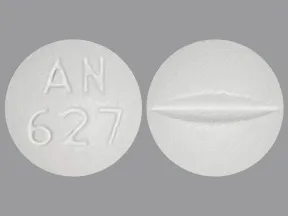
Tramadol is a prescription opioid pain medication. While it is sometimes described as a “weaker opioid,” it still affects the brain and nervous system in ways similar to other opioids.
Tramadol works by:
- Binding to opioid receptors in the brain
- Increasing serotonin and norepinephrine levels
Because of this dual action, tramadol can help with moderate pain, but it also comes with real risks.
Key things to know about tramadol
- It is a controlled substance
- It can be habit forming
- It can cause dependence and withdrawal
- It increases the risk of serotonin syndrome, especially when combined with antidepressants
- It can lower the seizure threshold
Even when taken as prescribed, some people develop tolerance or rely on it emotionally to manage stress or discomfort.
What Is Toradol?
Toradol is the brand name for ketorolac, which is a nonsteroidal anti-inflammatory drug (NSAID). It is not an opioid and does not affect opioid receptors in the brain.
Toradol works by:
- Reducing inflammation
- Blocking prostaglandins that cause pain and swelling
It is commonly used for short-term, acute pain, often after surgery or injury.
Key things to know about Toradol
- It is not addictive
- It does not cause opioid withdrawal
- It does not create a high
- It is typically used for no more than 5 days
While Toradol does not carry addiction risk, it can still be dangerous if misused, especially for the stomach, kidneys, or cardiovascular system.
Why People Confuse Tramadol and Toradol
The confusion usually comes from:
- Similar sounding names
- Both being prescribed for pain
- Both sometimes given after surgery or injury
Despite that, they are not interchangeable and are used for different reasons.
Tramadol vs Toradol at a Glance
Tramadol
- Opioid pain medication
- Acts on the brain and nervous system
- Can be habit forming
- Controlled substance
- Risk of dependence and withdrawal
Toradol
- NSAID anti-inflammatory
- Acts on inflammation, not the brain
- Not addictive
- Not a controlled substance
- Limited short-term use due to organ risks
Which One Is Stronger?
This depends on what kind of pain someone is experiencing.
Toradol can be very effective for inflammatory pain, sometimes rivaling opioids for short-term relief. Tramadol may feel stronger because it affects the brain, but that does not mean it is safer or more effective long term.
Strength does not equal safety.
Why This Difference Matters for Mental Health and Recovery
For people with:
- A history of substance use
- Anxiety or depression
- Sensitivity to medications
- Past issues with opioids
Tramadol carries risks that Toradol does not.
Many people assume tramadol is “safe” because it is prescribed frequently. In reality, it still has abuse potential and can complicate recovery or mental health treatment.
The Bottom Line
Tramadol and Toradol are not the same thing.
Tramadol is an opioid that affects the brain and carries addiction and withdrawal risks.
Toradol is a non-opioid anti-inflammatory used short term for pain and inflammation.
If you are unsure which one you were prescribed or why, it is always appropriate to ask your provider for clarification. Pain relief should not come at the cost of long-term health or stability.
Frequently Asked Questions
Are tramadol and Toradol the same thing?
No. Tramadol and Toradol are completely different medications. Tramadol is an opioid pain medication that affects the brain and nervous system, while Toradol is a nonsteroidal anti inflammatory drug that treats pain by reducing inflammation. They are prescribed for different reasons and carry very different risks.
Is tramadol an opioid and can it be addictive?
Yes. Tramadol is classified as an opioid and is a Schedule IV controlled substance in the United States. Even though it is sometimes described as a weaker opioid, it can still cause dependence, withdrawal symptoms, and misuse. Tramadol also affects serotonin levels, which adds additional risks when combined with antidepressants or other medications.
Is Toradol addictive or habit forming?
No. Toradol is not an opioid and does not cause addiction or withdrawal. However, it is intended only for short term use because it can increase the risk of stomach bleeding, kidney damage, and cardiovascular issues when used improperly or for too long.
Sources
- U.S. Food and Drug Administration. (2023). Tramadol information. https://www.fda.gov/drugs/postmarket-drug-safety-information-patients-and-providers/tramadol-information
- U.S. Food and Drug Administration. (2023). Ketorolac tromethamine (Toradol) drug label. https://www.accessdata.fda.gov/drugsatfda_docs/label/2023/019645s019lbl.pdf
- National Library of Medicine. (2024). Tramadol. MedlinePlus. https://medlineplus.gov/druginfo/meds/a695011.html
- National Library of Medicine. (2024). Ketorolac. MedlinePlus. https://medlineplus.gov/druginfo/meds/a693001.html
- National Institute on Drug Abuse. (2024). Prescription opioids. https://nida.nih.gov/research-topics/prescription-opioids
- Centers for Disease Control and Prevention. (2024). Opioid basics. https://www.cdc.gov/overdose/prevention/index.html
Categories


We’re Here to Listen.
